At 34.5%, Africa was once again the priority region for our aid projects in 2025. Especially in areas where Islamist terrorism is spreading and Christians are victims of persecution and displacement, we have increased our aid, for example in Burkina Faso, Mali and Niger by 30% compared to the previous year. At the same time, the Church in Africa is growing dynamically and needs support in order to fulfil its mission.
19% of our aid was devoted to Asia (including 0.9% for Oceania), where Christians form a minority in most countries and are discriminated against or even persecuted. India was the country that received the most aid from us worldwide in 2025.
The funding volume for the Middle East, where the situation has deteriorated massively, amounted to 17.1% of our total aid. In addition to Syria and Lebanon, suffering Christians in the Holy Land were a focal point in 2025. Through emergency aid and the strengthening of pastoral care, we aim to help secure the survival of Christian communities and counteract the massive exodus of Christians.
Latin America accounted for 16.4% of our total aid, as rural exodus, migration, sects and governments hostile to the Church present major challenges in the region.
In 2025, we once again received many requests for support from Ukraine. In the midst of the war, the Church supports people, most of whom are severely traumatised, who seek help in parishes and monasteries. Therefore, in 2025, 6.9% of our funds went to Ukraine. Overall, our aid for Europe amounted to 12.8%.
The starting point for our aid is a close dialogue with local churches.
Africa Overview
In spite of all the challenges it faces, the African continent remains a place of hope for the Catholic Church, This is because Catholic communities in Africa are young and are growing. Today, one in five Catholics around the world lives in Africa. In addition, one in seven priests worldwide, more than one in seven religious sisters, and around one-third of all seminarians now come from Africa. In the face of hunger, violence, and political instability, the Church is often the only institution that stands by the population. This is one reason why the continent continues to remain a priority region for ACN.
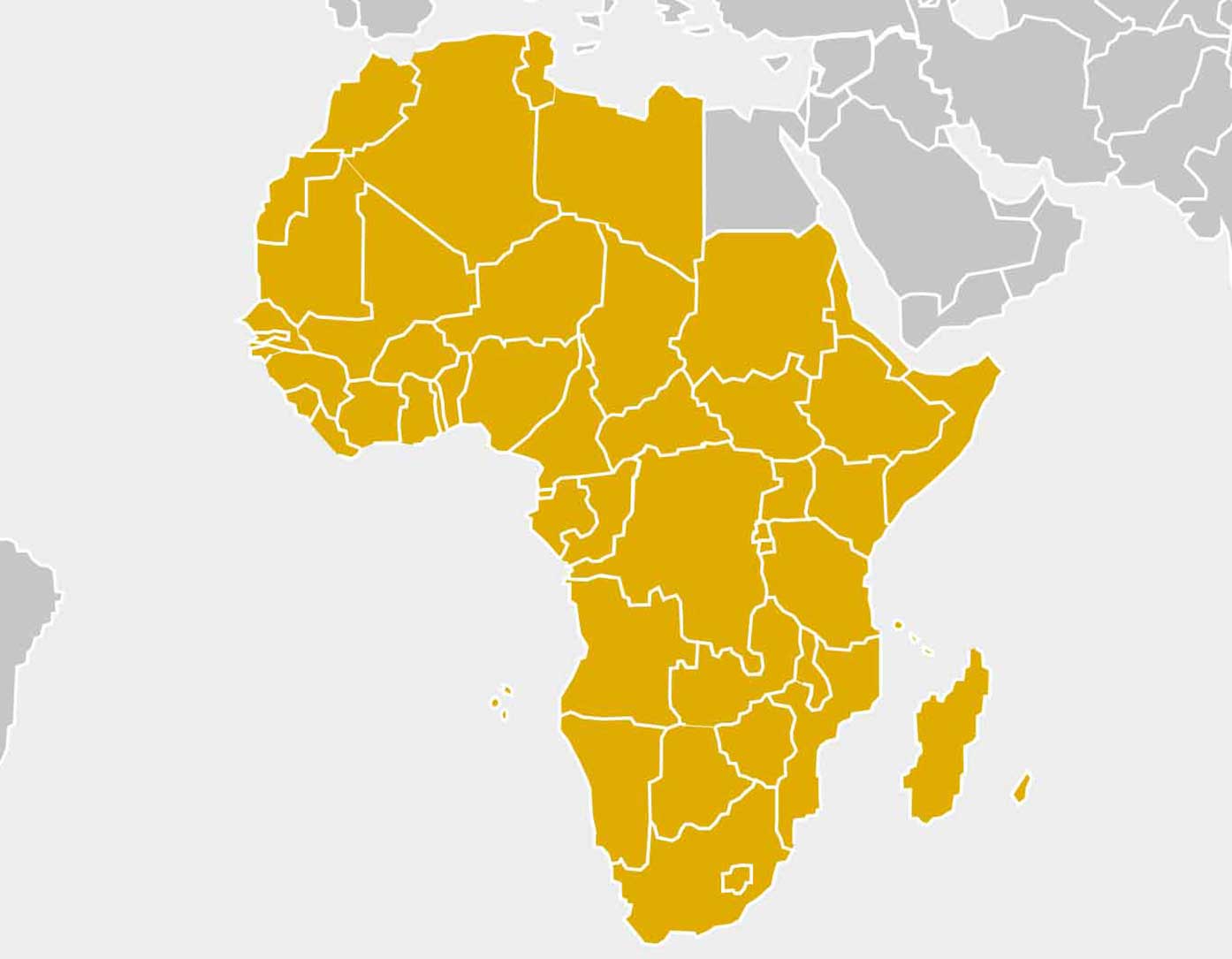
In 2025, growing Islamist violence in many parts of Africa remained one of the biggest problems. The presence of jihadist terrorist groups has continued to consolidate and expand, especially in the Sahel region. The countries particularly affected include Burkina Faso, Mali and Niger. Millions of people have already fled the conflict regions. Although flight protects many, it brings tremendous hardship and suffering. During the reporting year, the situation worsened even further. ACN therefore increased its aid to this region by 30% compared to the previous year.
Despite numerous challenges, Africa remains a continent of hope for the Catholic Church.
Unfortunately, the growing violence has once again claimed victims among representatives of the Church. During the reporting year, Africa continued to be the continent with the highest number of murdered priests and church workers worldwide. What’s more, kidnapping priests and religious has become a weapon and also a means of pressure that is used against the Church in many places.
ACN will not abandon the Church in this difficult situation. We particularly focus on the formation of priests, religious and laypeople, including further training that enables them to competently support people who are often severely traumatised in conflict regions. We also help purchase off-road vehicles, so pastoral workers can better reach believers in remote areas. Furthermore, we support the construction of churches and chapels, and contribute to the livelihood of priests and religious through Mass stipends and subsistence aid.
Latin America Overview
Latin America, with nearly 400 million Catholics, is often called ‘the Catholic continent’. Nevertheless, the local Church is concerned, as the number of believers has declined sharply over the past ten years. The main reasons for this are aggressive secularism, the growth of sects and authoritarian regimes that oppress the Church and severely restrict its work. Migration flows also pose major challenges for the Church. Against this backdrop, ACN supported Latin America in the reporting year with a total of 16 million euros.
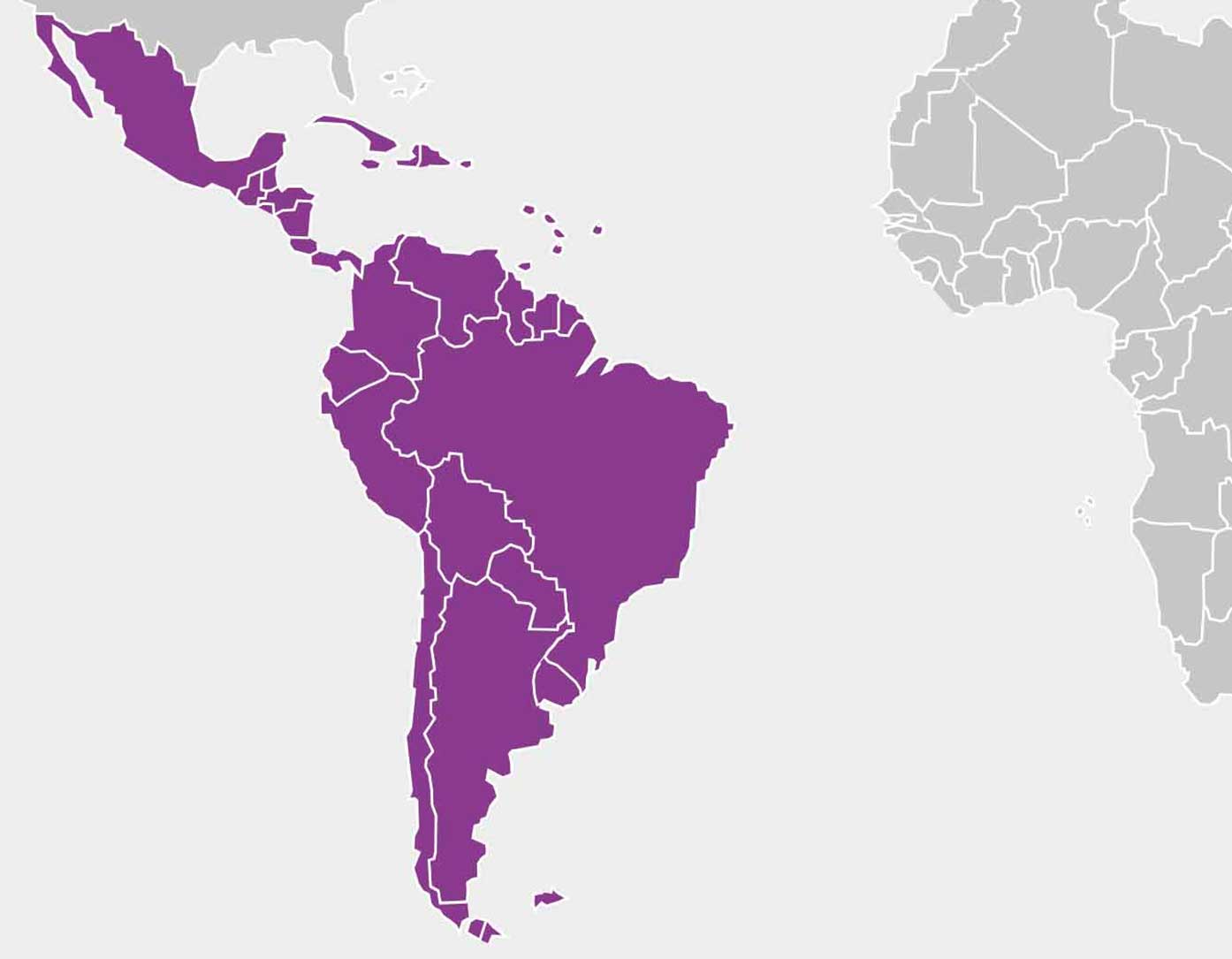
For years, the situation has been particularly critical for the Church in Cuba, Venezuela and Nicaragua, where its work is obstructed by the state. In countries such as Mexico, Haiti, Ecuador, Colombia and Brazil, on the other hand, criminal gangs and drug cartels are terrorising the population. The Church is often targeted because it raises its voice in favour of justice and peace.
In many countries across the continent, the Church faces policies that are hostile to its mission.
Another problem in many Latin American countries is the high rate of inflation. The growing poverty crisis has significantly increased migration abroad, particularly to neighbouring countries, which in turn face additional social challenges. At the same time, the rural population is increasingly migrating to urban centres in many places, which also leads to rapid growth of the already overcrowded slums. Parishes are often overwhelmed by the resulting influx of believers and can hardly meet the demand for pastoral and social care.
To help address the shortage of priests – which in some regions leaves the Church with minimal presence and allows sects to gain influence – ACN supports the training and formation of priests, religious and catechists. Additionally, initiatives are supported that guide young people in discovering their calling. To counter currents in society that are hostile to the Church, ACN promotes the work of Catholic television and radio stations, as well as digital media. It also supports the distribution of catechetical books.
Middle East Overview
The Middle East continues to be one of the largest conflict regions in the world. The military escalation in the Gaza Strip and the war in Iran have once again plunged the region into chaos and severe suffering. For ACN, the Middle East therefore remains a priority region. In 2025, 17.1% of ACN’s total aid went to Christians in the Middle East. In total, we supported this region with 16.6 million euros in 2025. Our primary goal is to encourage Christians to remain in their home region. An important sign of hope in the reporting year was the Middle East trip of Pope Leo XIV.
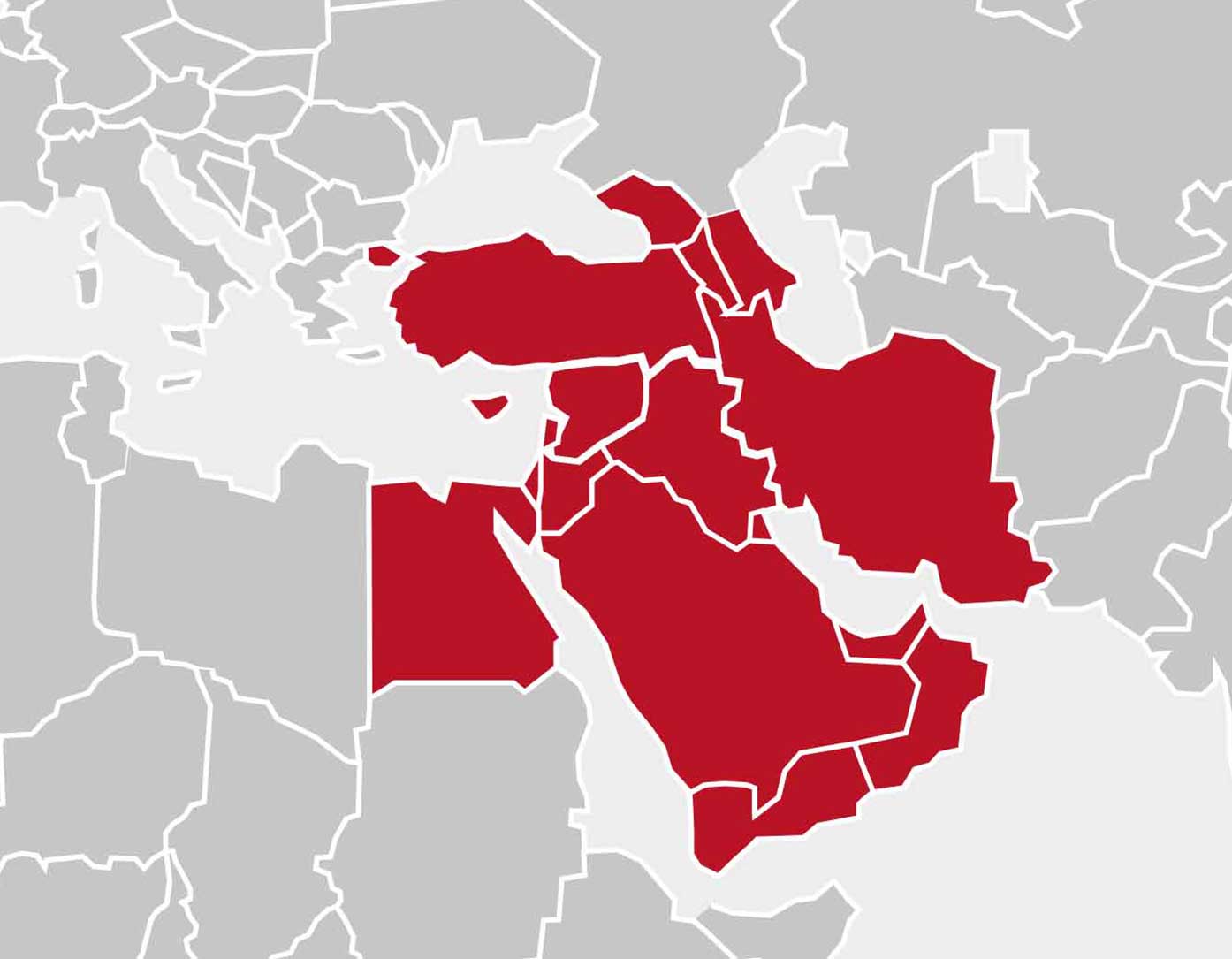
The focal countries for our aid to the Middle East include Syria, Lebanon and the Holy Land, where we continue to support suffering Christians with extensive emergency id. Strengthening the presence of Christians in the Middle East is of immense importance, because they are seen by many as mediators between the different religious groups in the region.
The Middle East needs new approaches in order to open new chapters of reconciliation and peace.
Pope Leo XIV
In light of the new escalations that the Iran war has also brought to Lebanon, ACN initiated extensive emergency aid in March 2026, especially for people who have fled from southern Lebanon.
During the reporting year, the visit of Pope Leo XIV to the Middle East was particularly eagerly anticipated it was also the first foreign trip of his pontificate.
First, the Pope visited Turkey on the occasion of the 1,700th anniversary of the First Council of Nicaea, at which important foundations of faith were formulated for all Christians. One of the highlights of the apostolic journey was the joint prayer of the Pope with Patriarch Bartholomew of Constantinople and other representatives of Orthodox Churches.
Afterwards, the Holy Father travelled to Lebanon, where he made a strong appeal for peace in Beirut.
Europe Overview
In 2025, Ukraine was once again our priority country for aid in Europe, as the population there still suffers from the ongoing war. The Church continues to stand unwaveringly by the people in their needs. Since the outbreak of the war in February 2022, we have supported 1,256 projects in the country with a total of 30.35 million euros. During the reporting year alone, there were 308 projects with a total volume of 6.7 million euros. As a result, Ukraine ranked second globally among the countries receiving the most support from ACN in 2025.
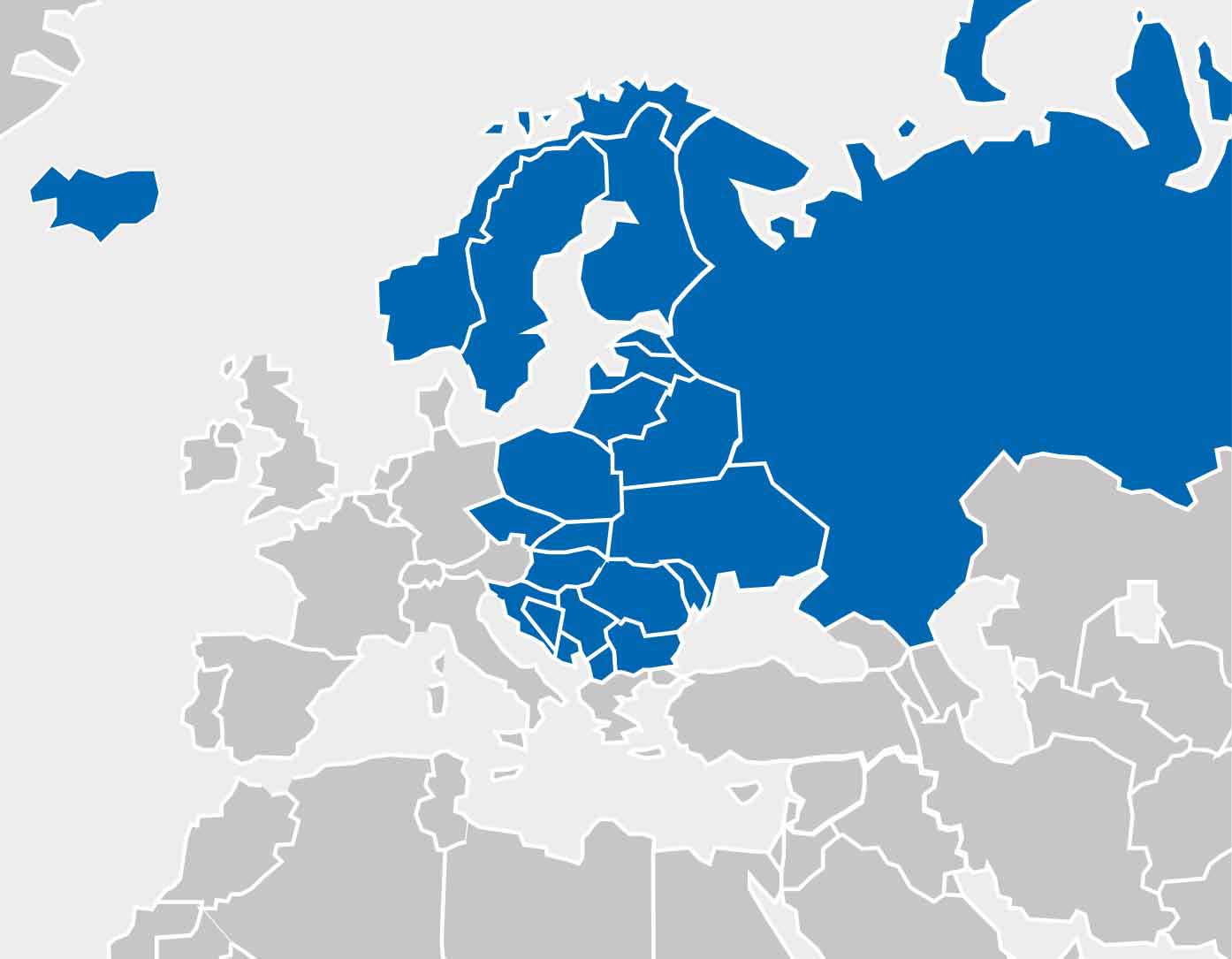
When the war started, we primarily provided emergency aid, helping the Church to secure the immediate survival of displaced people. Meanwhile, the focus of our aid measures has shifted to psychological care for those traumatised by the war. The Church is an indispensable point of contact for many affected individuals here.
During the reporting year, we supported 308 projects in Ukraine alone with a total of 6.7 million euros.
The Church continues to depend on foreign aid not only in Ukraine but also in other European countries, particularly where Catholics are in the minority.
Already during the pandemic, many religious communities in Eastern and Central Europe became increasingly dependent on financial support. Since the war in Ukraine and the resulting global economic crisis, the situation for many monasteries has further worsened, primarily due to sharply rising energy prices. We continue to provide subsidies for the livelihood of religious here. In addition, we assist priests through Mass stipends and fund urgently needed renovations of church buildings.
Asia/Oceania Overview
In Asia and Oceania, the Church faces a wide variety of challenges that differ greatly from region to region. In many areas, poverty and natural disasters are making life difficult for the population. Rural exodus and migration are also widespread problems that require pastoral and social-charitable responses. While Oceania is largely shaped by Christianity, Christians in most Asian countries are a minority and are often exposed to discrimination and attacks because of their faith. In recent years, the situation has worsened in many countries. ACN stands reliably by the local Churches and helped with 19.4 million euros in 2025 (of which over €0.85 million was allocated to Oceania).
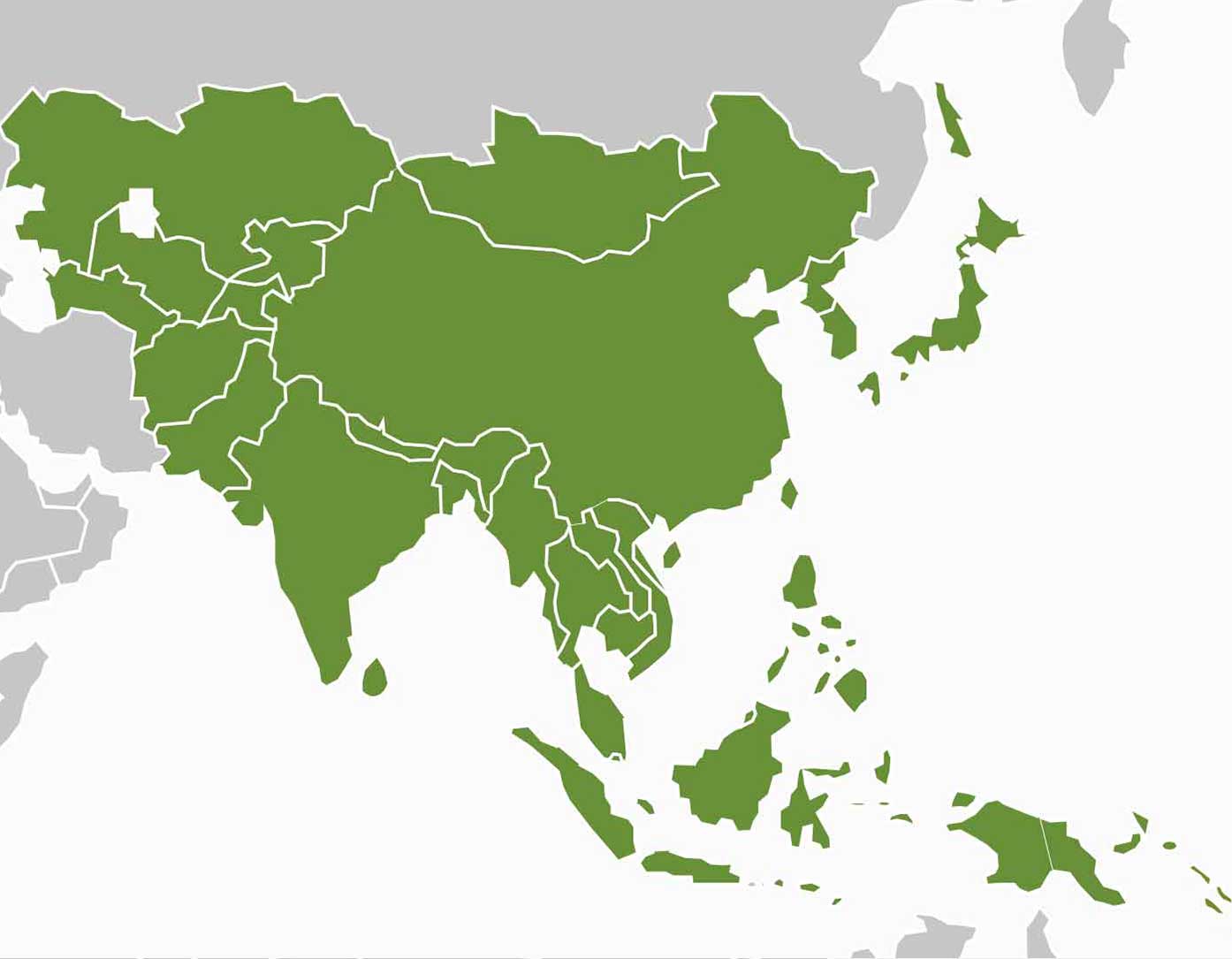
In several Asian countries, Christianity is seen as a harmful foreign influence that threatens the dominance of the ruling party or the perceived religious cohesion of the nation. As a result, nationalist movements and authoritarian systems of government make life difficult for many Christians.
In Asian countries, Christianity is often perceived as a threatfrom abroad.
ACN assists the local Churches in carrying out their multifaceted tasks. We particularly support the training of priests, religious and laypeople. Promoting family and youth ministry is also high on our list of priorities. The breakdown of families and the uprooting and disorientation of young people have become global problems that have also impacted Asia and Oceania.
We also provide financial assistance for the construction and renovation of church buildings, as well as for the purchase of vehicles for pastoral work and the provision of catechetical materials. In countries with a Muslim or other religious majority, we sometimes also support initiatives for interreligious dialogue in order to strengthen peaceful coexistence.
Our worldwide projects
Lebanon : Help for the chaplaincy outreach in Baabda University
Ever since 2019 Lebanon has been going through one of the gravest economic crises in recent history. Such is the collapse that somewhere between half and three quarters of the...
Brazil : A Youth congress on evangelisation in the Amazon region
The diocese of Juína lies in the heart of the Amazon region and covers a vast territory of nearly 48,000 square miles (122,000 km²). Yet it has just 14 parishes,...
Guatemala : A vehicle for pastoral work in the apostolic vicariate of El Petén
With an area of over 14,000 square miles (36,000 km²) the apostolic vicariate of El Petén covers more than a third of the total territory of Guatemala. But it is...
Indonesia : A chapel for the village of Golo Popa
A little while ago we received an appeal for help from Indonesia. The Catholic faithful in the village of Golo Popa on the island of Flores had no church of...
Madagascar : A new village chapel in Morafeno
Ankililoaka Mission is set in a remote and underdeveloped rural region of southwest Madagascar and is run by the Salesian Fathers. The people here have only recently encountered the Gospel...
Kenya : Host-baking equipment for the Carmelite Sisters in Machakos diocese
Since the year 1999 there has been a Carmelite convent in the diocese of Machakos, in southern Kenya, and over the years it has been blessed with numerous vocations. It...
Ethiopia : Ongoing training for 300 catechists in the apostolic vicariate of Hawassa
Ongoing training for 300 catechists in the apostolic vicariate of Hawassa The apostolic vicariate of Hawassa (Awassa) is situated in the south of Ethiopia and covers a vast region of...
This is how donations become concrete aid for Christians in need
For 79 years, our professionalism, transparency, effectiveness and efficiency have ensured that our benefactors’ donations have the best possible effect precisely where they are most urgently needed: among local churches in need.
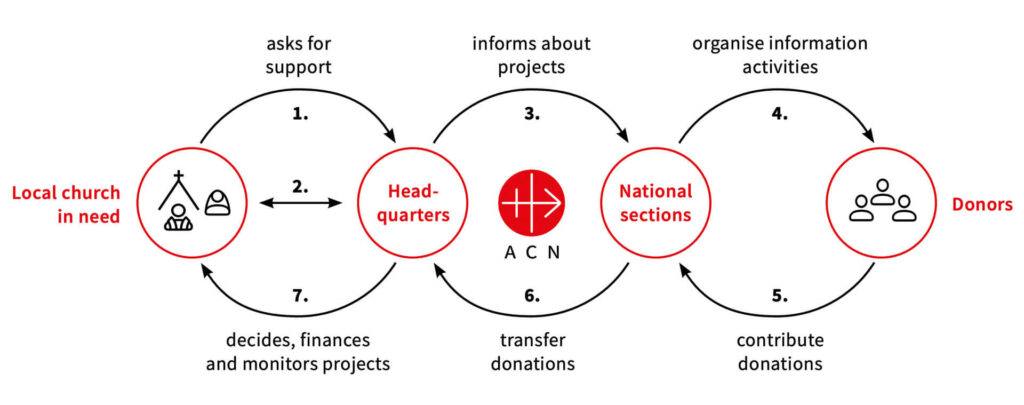
- The need for project aid arises in a place where the Church suffers from poverty or persecution. The diocese or parish forwards the project to ACN (Aid to the Church in Need) headquarters in Königstein, Germany, with a recommendation from the local bishop or supervisor
- The head of section for the region analyses the project. If necessary, he or she then asks for further information. Within a maximum of three months, ACN headquarters confirms whether the project has been approved or not.
- ACN headquarters informs the national offices about projects for local fundraising and financing through benefactors.
- The offices organise information and awareness-raising measures so that donors support the projects.
- Benefactors feel called on to join in and donate.
- ACN’s national offices transfer the charitable contributions to ACN headquarters.
- ACN decides on projects and their funding, tracks and monitors their implementation.
Between one and six months after the approval of the project has been granted, ACN assumes the costs for the approved project. In emergencies, ACN headquarters provides immediate funds.