Martyrs of our days: Witnesses of Hope
Inspired by Pope Francis’ invitation to celebrate a Jubilee of Hope, ACN’s Lent campaign is a call to show solidarity with persecuted Christians around the world.
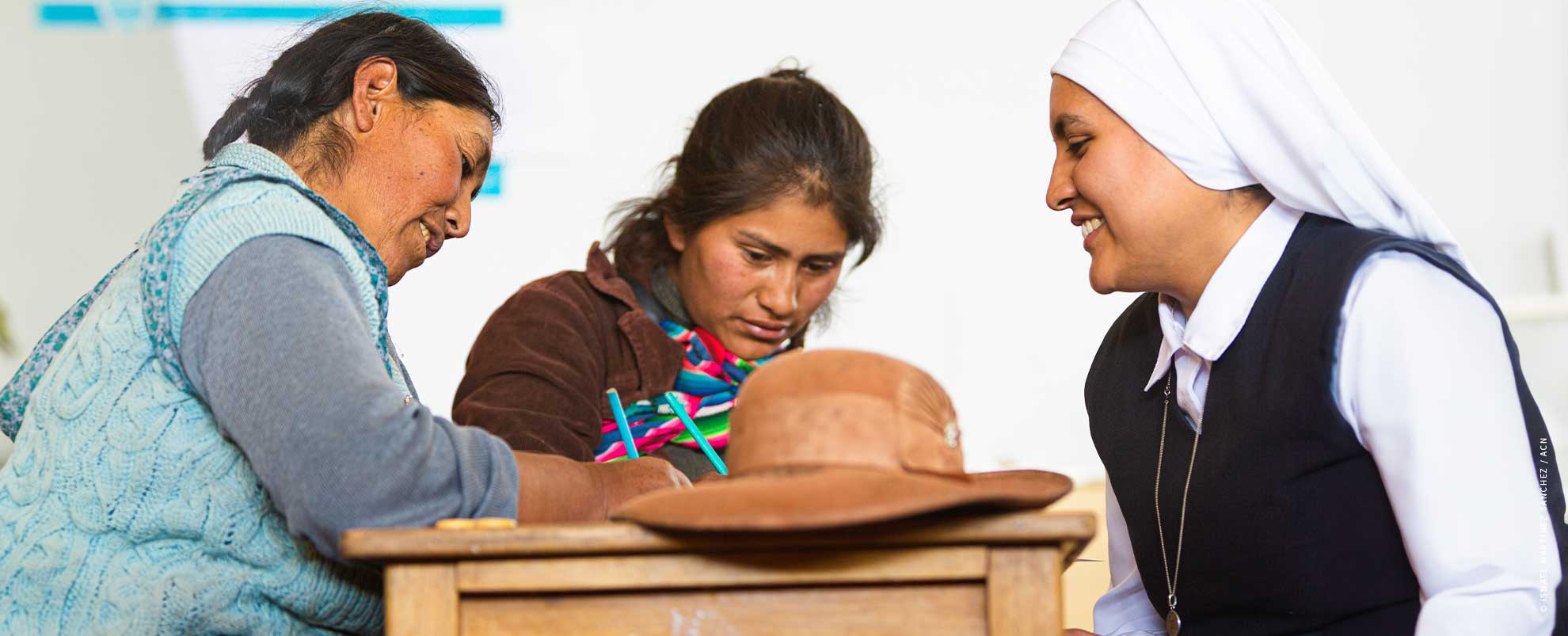
Helping Christians in need around the world
ACN is the only international Catholic organization dedicated to the pastoral and spiritual support of persecuted and suffering Christians.
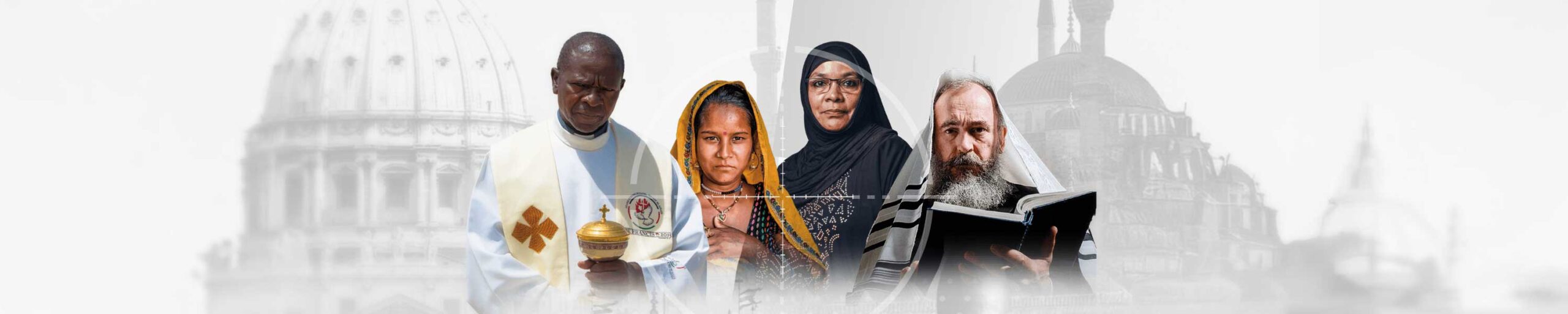
RELIGIOUS FREEDOM IS A HUMAN RIGHT, NOT A PRIVILEGE
RELIGIOUS FREEDOM IS A HUMAN RIGHT, NOT A PRIVILEGE
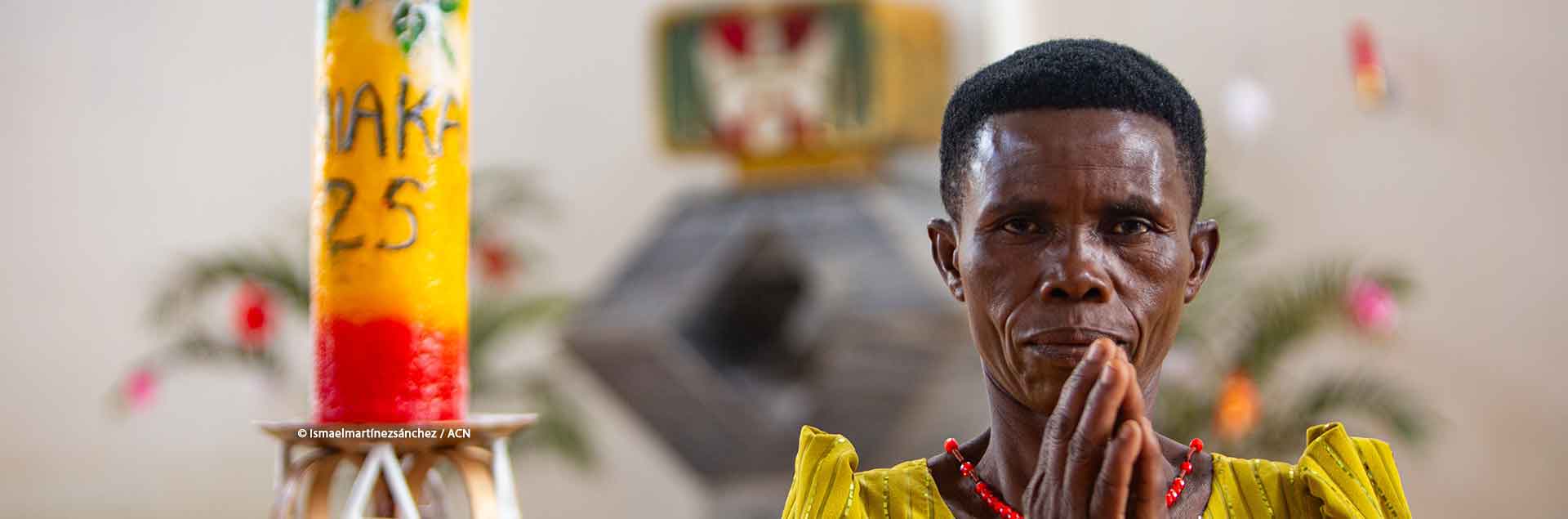
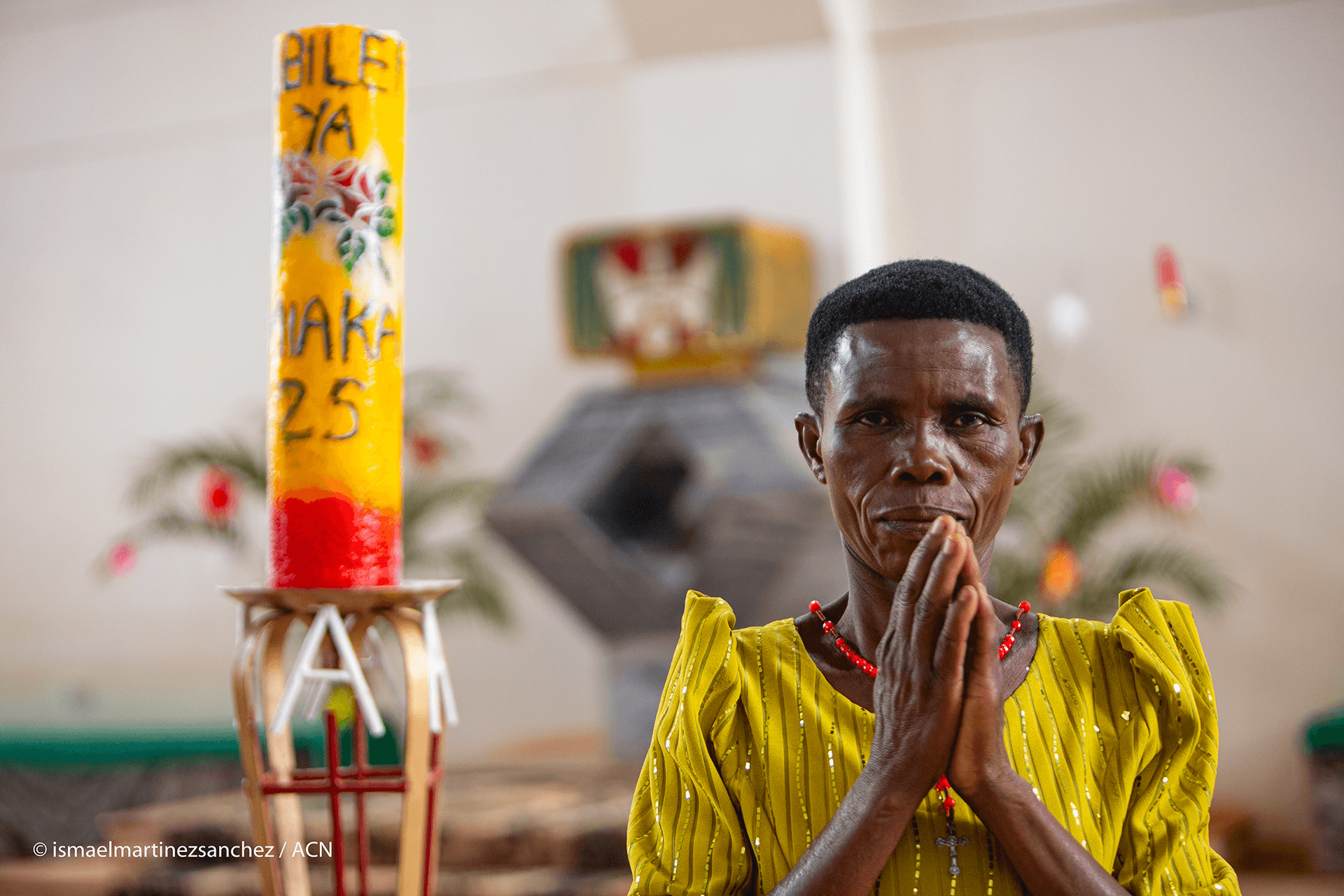
No one should have to choose between their faith and their life.
Yet, 5.4 billion people, almost two-thirds of humanity, live in
countries where individuals and communities continue to
face harassment, violence, and even death because of their
beliefs.
We are witnessing a human rights emergency on a global scale.
Be a voice for the voiceless today and stop the atrocity of
religious persecution.
Stand up for the right to believe and sign the petition for
religious freedom.
ACN will bring every signature to the highest international stages
—including the UN, the EU, governments, diplomats and
international decision-makers —to ensure your voice is heard.
Submission not available in your selected country
We’re sorry — based on your selection, we’re not allowed to collect submissions. Please choose another country to proceed.
The Reality of Religious Persecution Today
DRIVERS OF RELIGIOUS PERSECUTION:
Religious persecution does not occur in a vacuum. Violations of freedom of religion or belief are driven by identifiable political, social and security dynamics that lead to discrimination, violence and restrictions on religious practice.
For each of the following drivers, we highlight selected country situations to show how these dynamics translate into real threats to religious freedom.
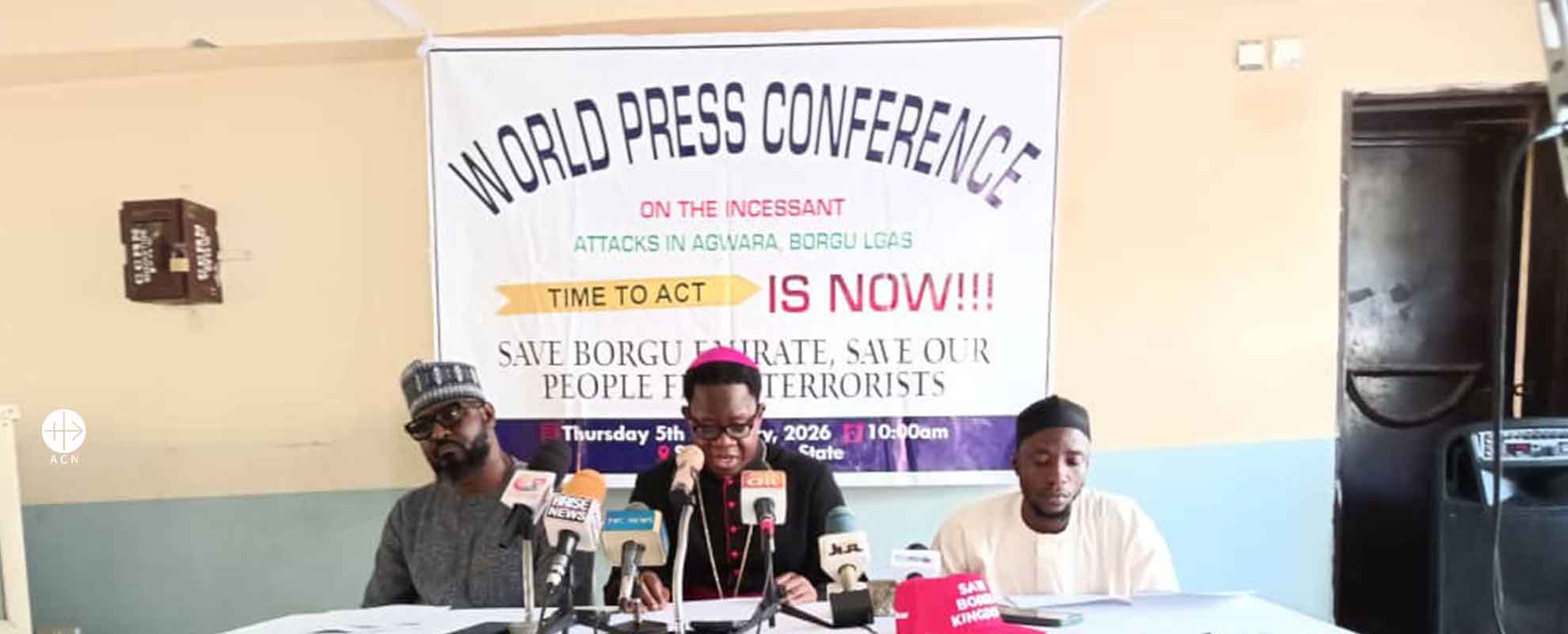
Religious extremism is one of the most violent threats to religious freedom in several parts of the world. In Nigeria and across the Sahel region, armed extremist groups target Christian and moderate Muslim communities and their leaders, attacking villages, places of worship and schools.
These attacks aim to impose extremist ideology, eliminate religious diversity and destabilise local communities. Millions have been displaced, and many believers live under constant threat simply because of their faith.Nigeria and the Sahel are emblematic examples of how religious extremism fuels violence against Christians and other faith communities, undermining peace and social stability in multiple regions.
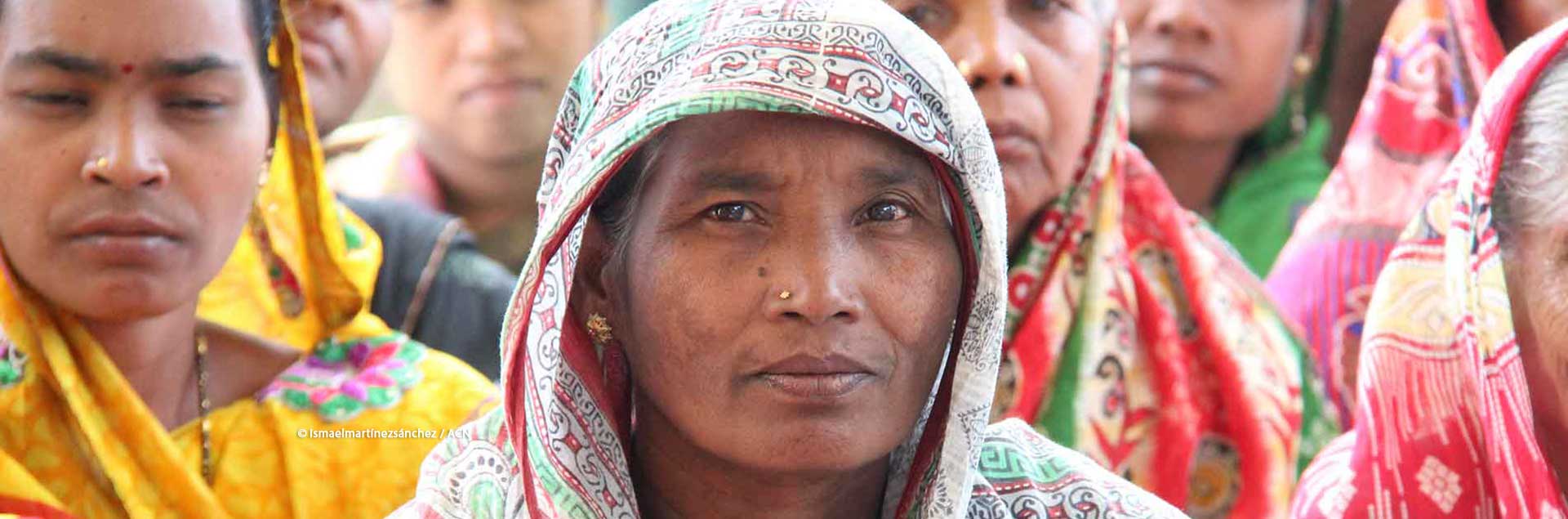
Ethno-religious nationalism links national identity to a dominant religion, often marginalising minority faith communities. In Pakistan and India, this dynamic can contribute to legal discrimination, social pressure and restrictions on religious freedom.
Blasphemy laws in Pakistan and anti-conversion legislation in parts of India are frequently misused to intimidate or target minorities. Social hostility, mob violence and forced conversions further increase vulnerability.
In some regions, organised crime has emerged as a driver of religious persecution. In Haiti and Mexico, criminal groups target clergy, pastors and church workers because of their moral influence, community leadership and refusal to cooperate with criminal activities.
Religious leaders who defend human dignity, support victims or speak against corruption often face threats, kidnapping or assassination. Places of worship and faith-based initiatives may also be attacked or extorted.
These contexts demonstrate how criminal violence can severely restrict religious freedom and undermine the vital role faith communities play in social cohesion and peacebuilding.
Authoritarian regimes restrict religious freedom by controlling religious practice, limiting worship and suppressing independent faith communities. Governments may monitor religious activities, impose registration requirements, detain believers or close places of worship.
Religious groups perceived as disloyal or influenced from abroad are especially targeted. Surveillance, censorship and legal restrictions create an environment where believers cannot freely practice or express their faith.This pattern can be observed in multiple regions, where state control represents a systemic violation of freedom of religion, affecting millions and eroding fundamental human rights.
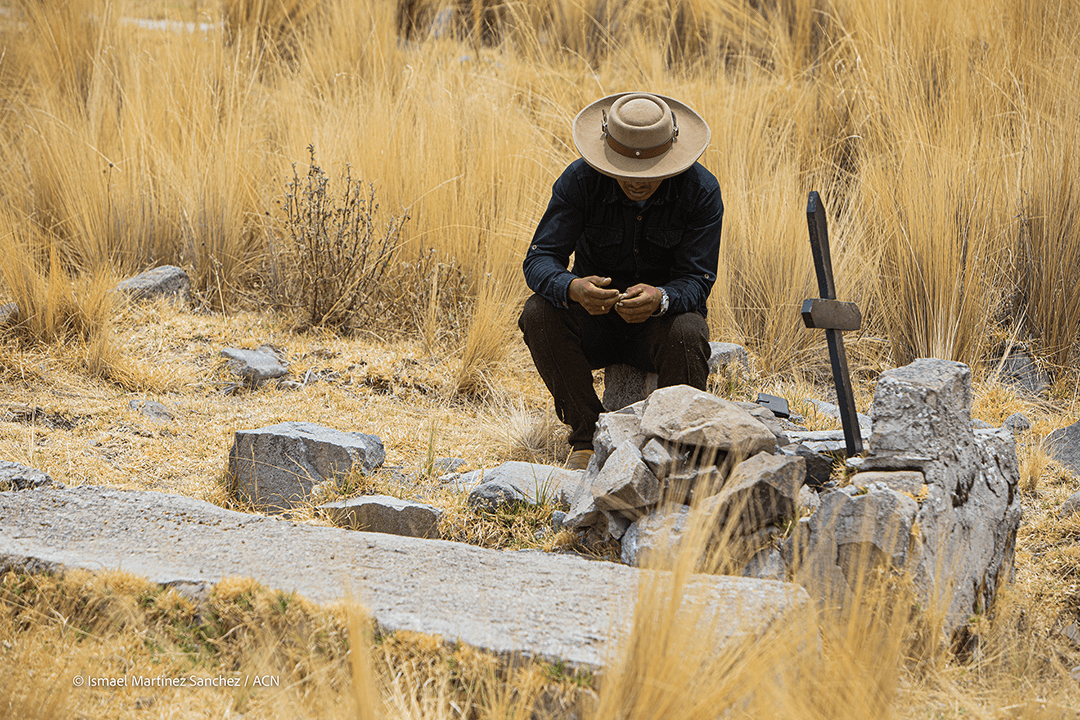
Religious extremism is one of the most violent threats to religious freedom in several parts of the world. In Nigeria and across the Sahel region, armed extremist groups target Christian and moderate Muslim communities and their leaders, attacking villages, places of worship and schools.
These attacks aim to impose extremist ideology, eliminate religious diversity and destabilise local communities. Millions have been displaced, and many believers live under constant threat simply because of their faith.Nigeria and the Sahel are emblematic examples of how religious extremism fuels violence against Christians and other faith communities, undermining peace and social stability in multiple regions.
Ethno-religious nationalism links national identity to a dominant religion, often marginalising minority faith communities. In Pakistan and India, this dynamic can contribute to legal discrimination, social pressure and restrictions on religious freedom.
Blasphemy laws in Pakistan and anti-conversion legislation in parts of India are frequently misused to intimidate or target minorities. Social hostility, mob violence and forced conversions further increase vulnerability.
In some regions, organised crime has emerged as a driver of religious persecution. In Haiti and Mexico, criminal groups target clergy, pastors and church workers because of their moral influence, community leadership and refusal to cooperate with criminal activities.
Religious leaders who defend human dignity, support victims or speak against corruption often face threats, kidnapping or assassination. Places of worship and faith-based initiatives may also be attacked or extorted.
These contexts demonstrate how criminal violence can severely restrict religious freedom and undermine the vital role faith communities play in social cohesion and peacebuilding.
Authoritarian regimes restrict religious freedom by controlling religious practice, limiting worship and suppressing independent faith communities. Governments may monitor religious activities, impose registration requirements, detain believers or close places of worship.
Religious groups perceived as disloyal or influenced from abroad are especially targeted. Surveillance, censorship and legal restrictions create an environment where believers cannot freely practice or express their faith.This pattern can be observed in multiple regions, where state control represents a systemic violation of freedom of religion, affecting millions and eroding fundamental human rights.
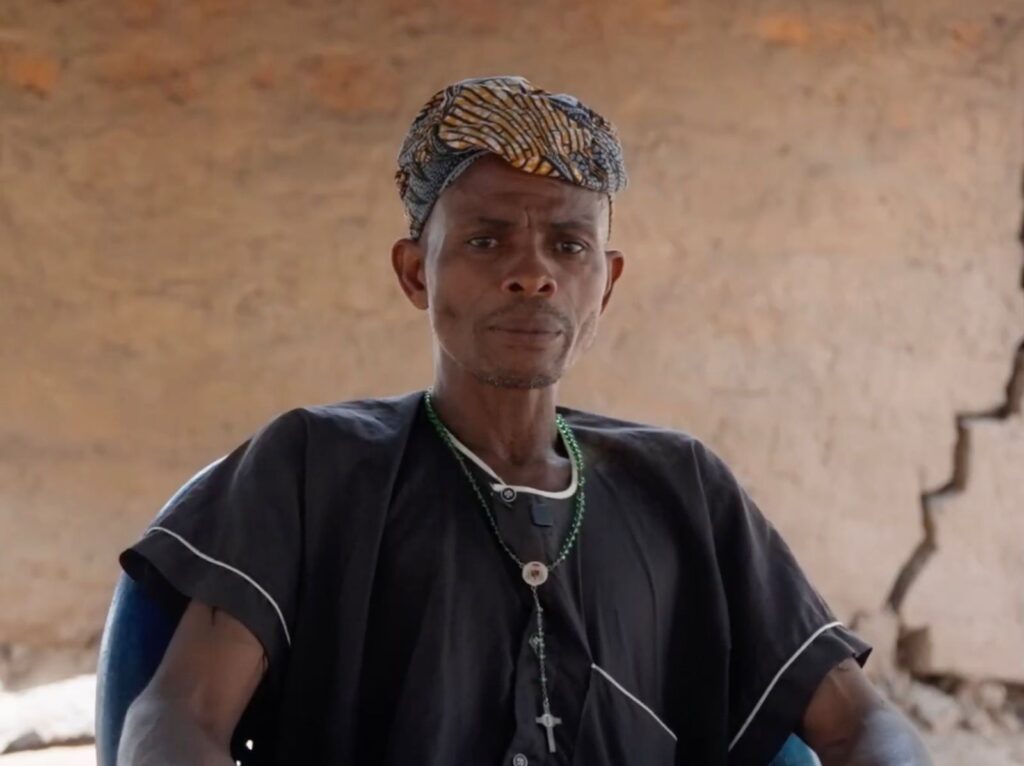
"It was a massive killing. Brothers were turned to ashes." - Rameen Jiras Joh, Nigeria.
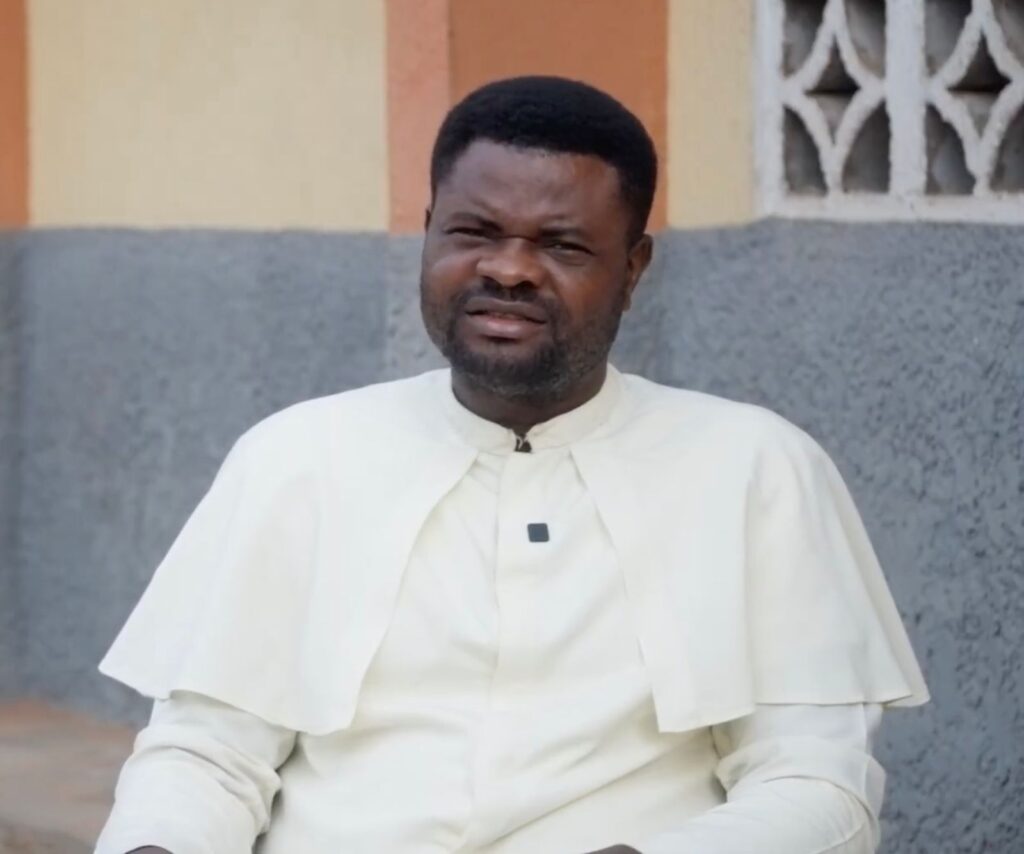
"We heard gunshots… the bodies were unrecognizable." - Fr. Jonathan, Nigeria
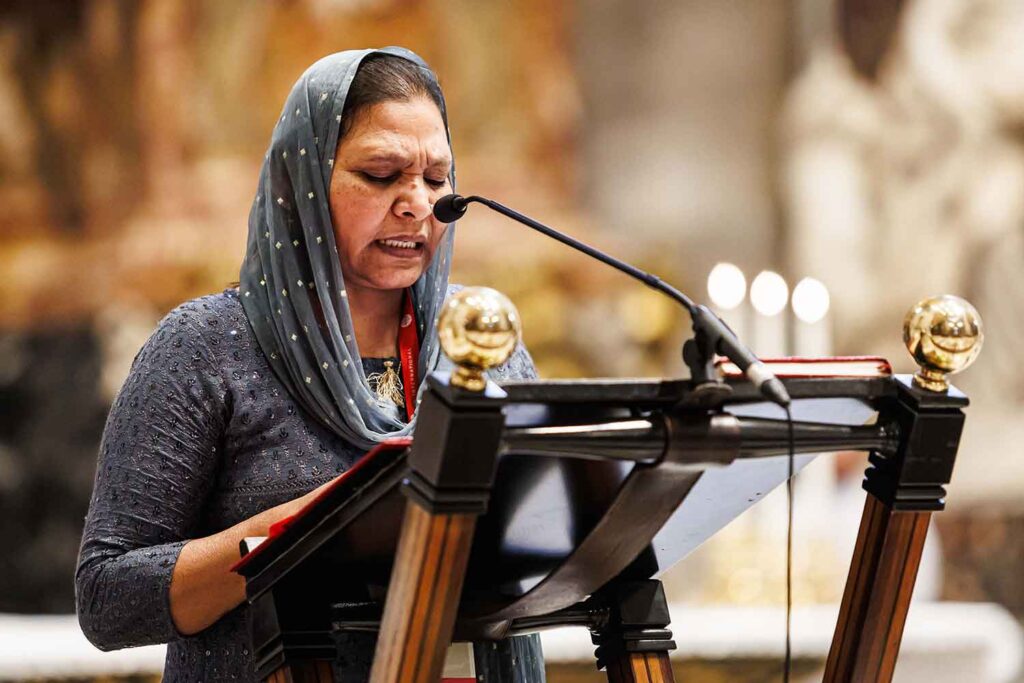
“Extremist Muslims and the police attacked our house and charged us with blasphemy. We were sentenced to death.” - Shagufta Kausar, Pakistan.
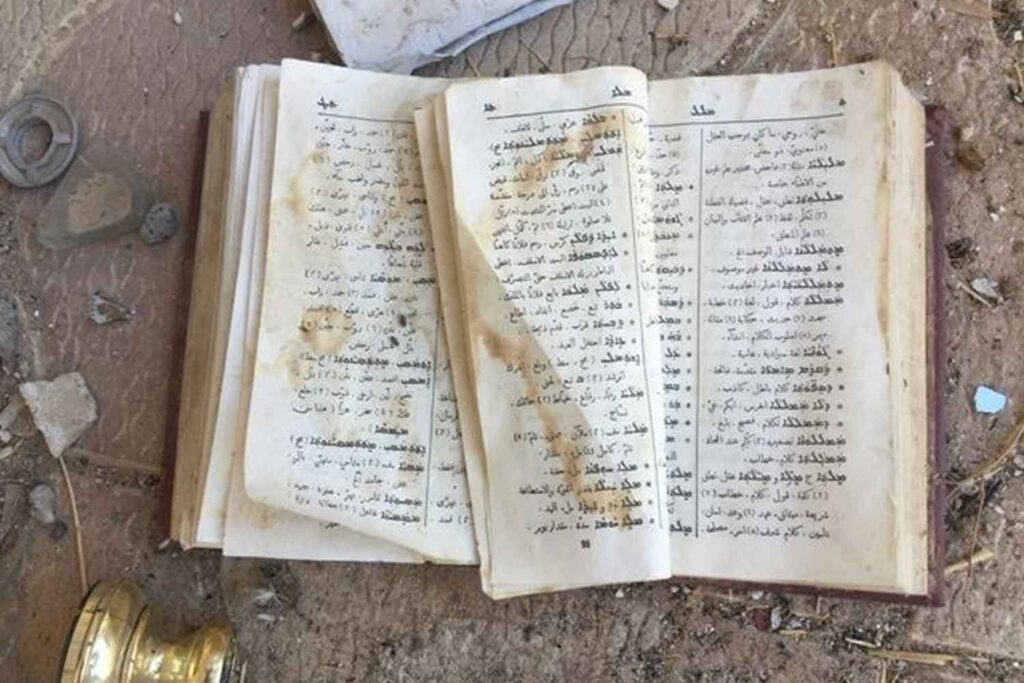
“Terrorists ambushed and slaughtered Eric, violently taking his life simply because he served the Church as a catechist.” - Anonymous, Burkina Faso
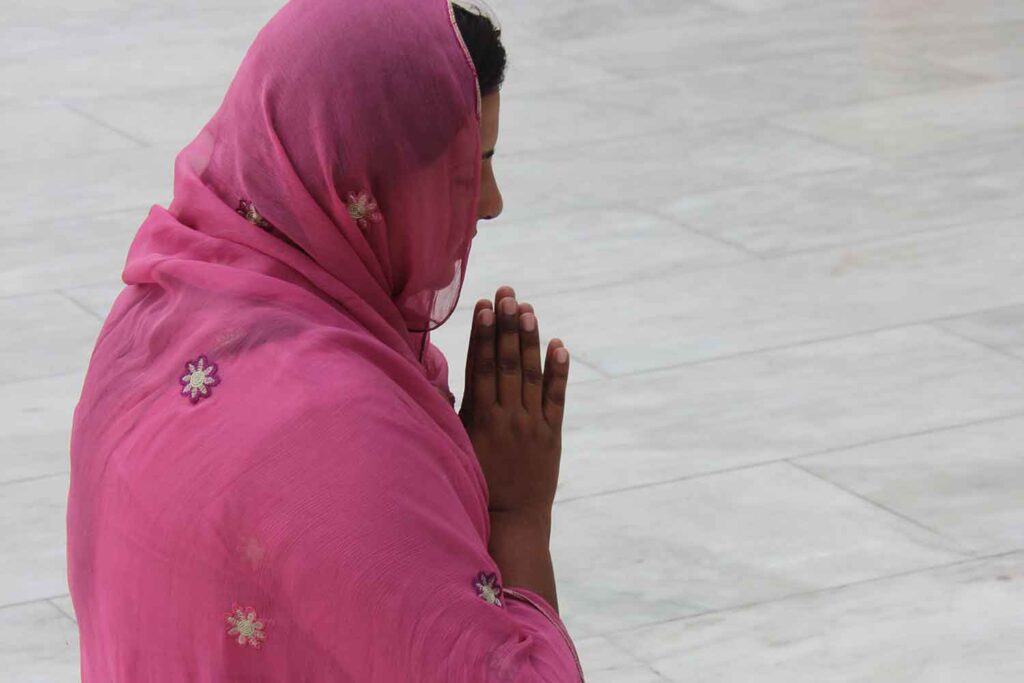
"He was covered in blood, his teeth were broken, so was his nose and every bone in his body seemed to be smashed. Shortly after, my grandfather died of these injuries.” Miriam, Pakistan.
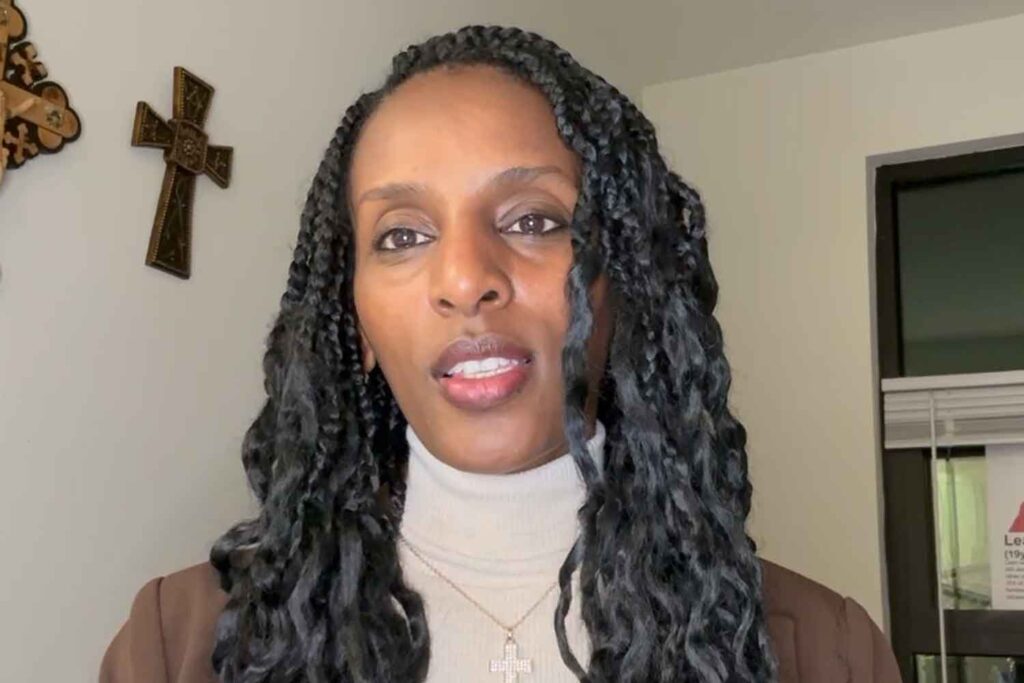
“I was on death row for apostasy and sentenced to receive a hundred lashes. Just because I broke the law by marrying a non-Muslim man.” Mariam Ibrahim, Sudan.
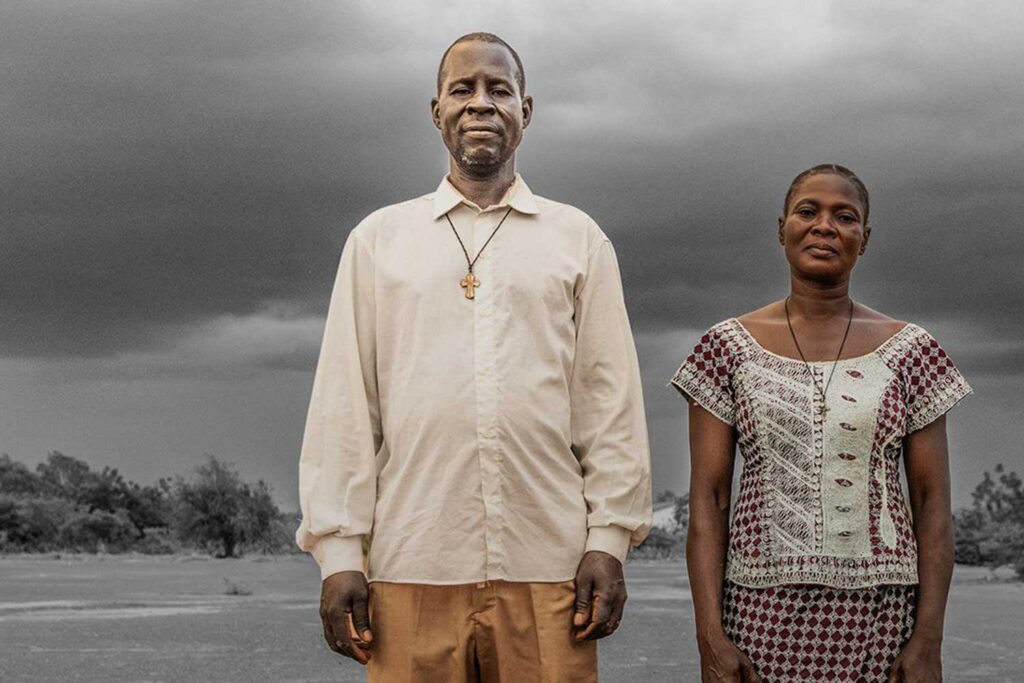
"During our kidnapping,I lost hope in living but I never renounced my faith."
-Mathieu Sawadogo, Burkina Faso.
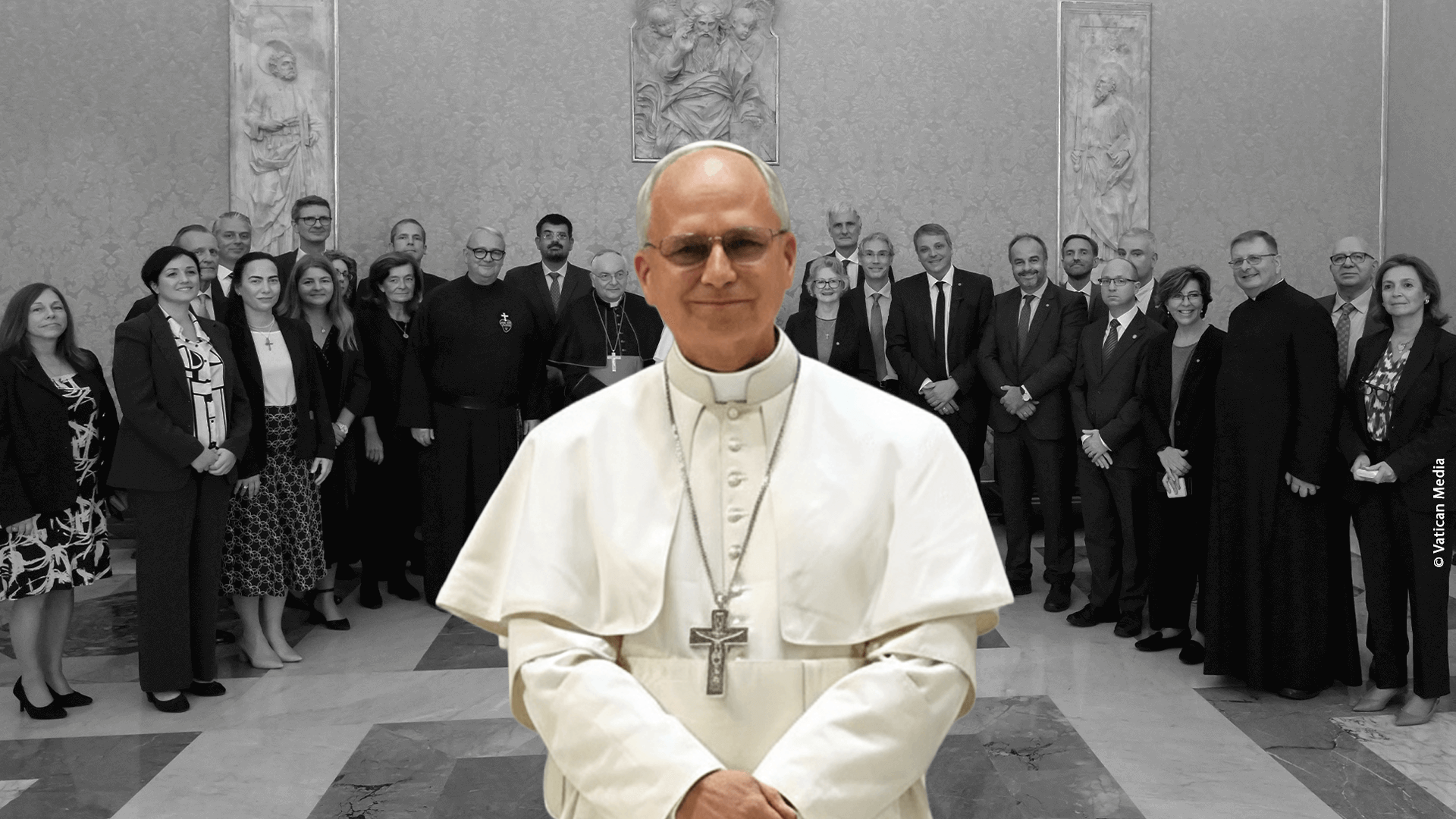
“…AS ONE FAMILY IN CHRIST, WE DO NOT ABANDON OUR PERSECUTED BROTHERS AND SISTERS.
RATHER, WE REMEMBER THEM, WE STAND WITH THEM, AND WE LABOUR TO SECURE THEIR GOD-GIVEN FREEDOMS.”
POPE LEO XIV ON RELIGIOUS PERSECUTION.
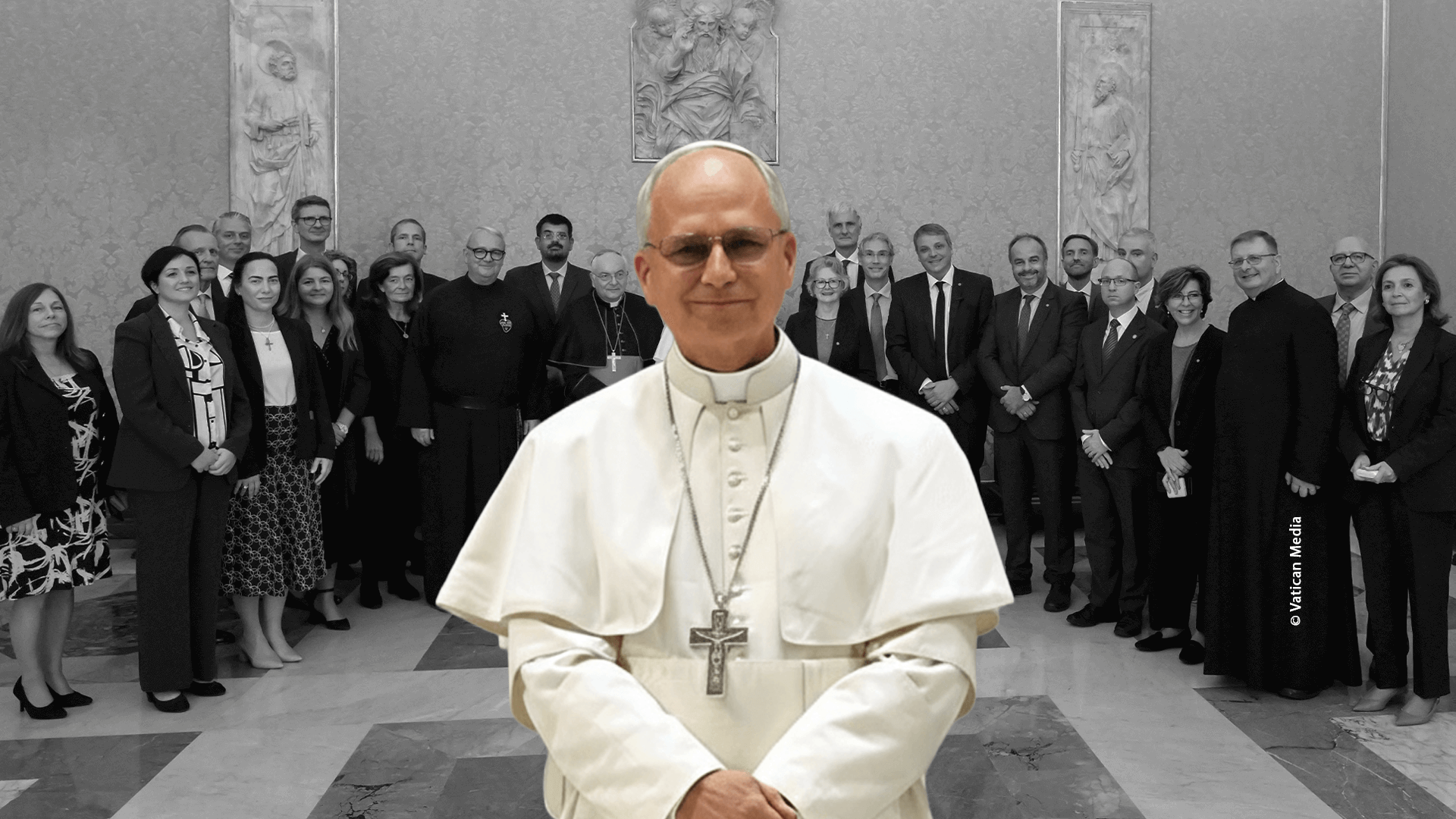
“…AS ONE FAMILY IN CHRIST, WE DO NOT ABANDON OUR PERSECUTED BROTHERS AND SISTERS.
RATHER, WE REMEMBER THEM, WE STAND WITH THEM, AND WE LABOUR TO SECURE THEIR GOD-GIVEN FREEDOMS.”
POPE LEO XIV ON RELIGIOUS PERSECUTION.
Latest News on religious persecution
You won’t find this in the mainstream media.

Most frequently asked questions
Your signature will be included in an international petition addressed to political decision-makers and diplomatic representatives, urging concrete action to protect religious freedom.
The petition will be presented to key international institutions and stakeholders, including representatives at the United Nations and other global forums.
Signatures demonstrate global public support for religious freedom and help place the issue on the agenda of international institutions and policymakers.
By showing widespread concern, the petition strengthens advocacy efforts, supports dialogue with diplomatic representatives, and encourages concrete policy action to protect this fundamental human right.
As documented in the Religious Freedom in the World Report by ACN, violations of religious freedom are increasing worldwide, affecting billions of people and contributing to conflict, displacement, and social instability.
A global petition is needed to raise awareness, mobilise international attention, and reaffirm religious freedom as a universal human right rooted in Article 18 of the Universal Declaration of Human Rights.
Yes. The petition promotes the universal right to freedom of thought, conscience, and religion for everyone, as enshrined in Article 18 of the Universal Declaration of Human Rights.
The initiative defends religious freedom as a fundamental right that applies to people of all faiths and beliefs.
Your personal data will be handled in accordance with applicable data protection regulations, including GDPR.
Names are collected to ensure credibility and transparency but will only be used for the purposes of the petition and related communications.
Yes. Anyone over 18 who supports religious freedom and human rights is welcome to sign.
The initiative is open to people of all beliefs, including those who do not identify with a religion but support freedom of conscience, thought and belief.
You can help amplify the impact by:
- Sharing the petition on social media and with your network.
- Encouraging others to sign and learn about religious freedom.
- Staying informed and supporting awareness initiatives.
- Participating in events and campaigns such as Red Week.
Your voice helps ensure that those who suffer for their faith are not forgotten.
AID TO THE CHURCH IN NEED (ACN)
ACN supports the Christians wherever they are persecuted, oppressed, or in need—through prayer, information, and action.
Thanks to people like you, ACN funds more than 5,000 pastoral and emergency humanitarian projects across 140+ countries every year. 100% of ACN’s projects are sustained by donations from individuals and organizations who value the Church's work worldwide.
Every two years, we publish the Religious Freedom Report—the only study produced by a non-governmental organisation that provides a comprehensive analysis of the global state of religious freedom.
It urges us to open our eyes to the growing reality of religious persecution, to break the silence, and to stand up for this fundamental human right: religious freedom.