Bishops in Burundi: “Forced disappearances and politically motivated murders make one shudder”
Human rights violations are widespread in Burundi, a small country which borders the much larger Democratic Republic of the Congo. For years, the country has been largely isolated from the outside world. Recently, the Burundian bishops drew attention to the country’s plight, which is hardly noticed by the global public.
For decades, Burundi – a small African country with a population of around 13 million – has been shaken by a security crisis. In 2023, the UN Human Rights Committee expressed concern “about allegations of forced disappearances and killings of political activists and journalists carried out by the security forces and pro-government groups” in Burundi.
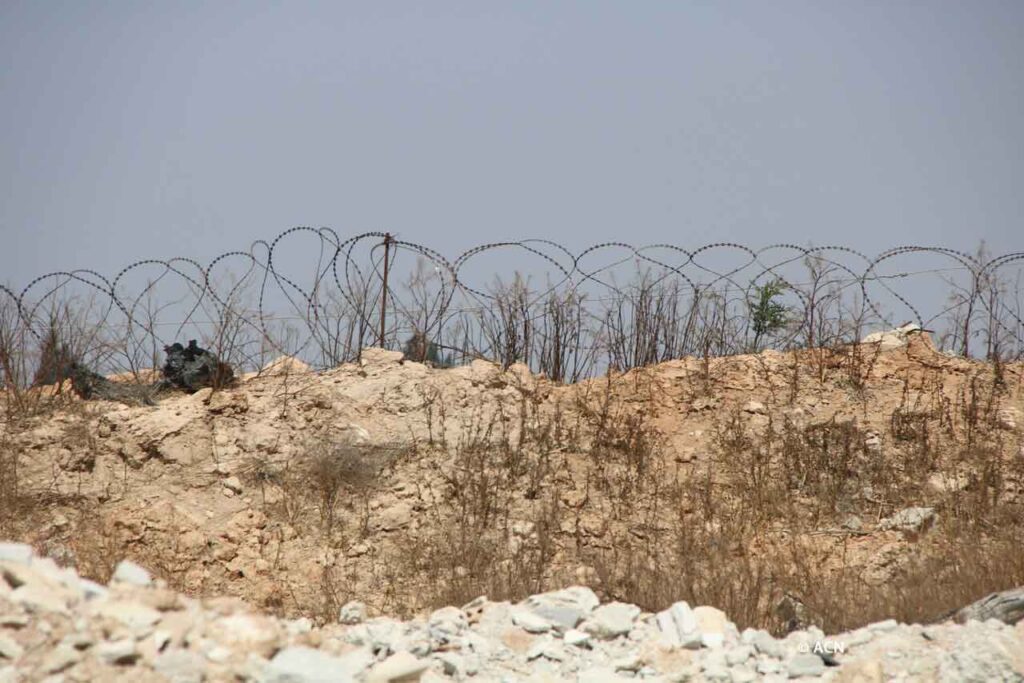
These human rights violations usually take place away from the public eye. Recently, however, Burundi’s Catholic bishops have also clearly denounced the abuses in the country in a public “message of peace” which has made available to the international Catholic charity Aid to the Church in Need (ACN): “The realisation that there are people in our country who are cruelly murdered or abducted and disappear for political reasons or other macabre interests makes one shudder,” they write. “If a person is arrested by the competent authorities, justice must be administered in accordance with the law; the person must be held in a place that is known and accessible to family members.”
Climate of mistrust
The bishops also warn against a culture of impunity for wrongdoing: “If impunity becomes entrenched in society, people lose confidence in the justice system, thus leading to the danger that they become discouraged, take the law into their own hands, and commit crimes.”
With an “impassioned appeal” to those who “harbour the desire to shed the blood of peaceful citizens in order to give voice to their ideology or to seek political power”, they call on them to “sheathe their swords again and set about building the nation by adopting ways that respect the dignity of human beings and favour dialogue and consultation”.
“Burundi has a very painful history, characterised by massacres, murders, social conflicts and violence,” says Maxime François-Marsal, ACN’s project manager for the French-speaking countries in Central Africa, who visited the country in 2023. “There is a climate of mistrust everywhere in the country, even among friends and family.” This is why it is so important to promote a culture of dialogue and peace.
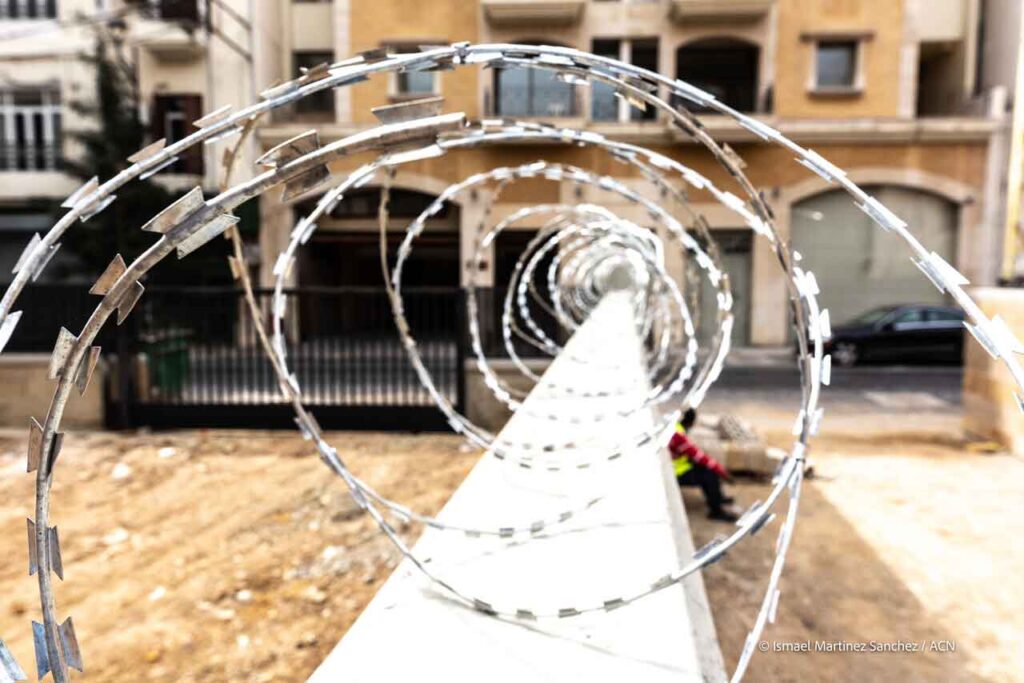
To support the education and training of those who will help to shape the life of the Church and the development of the country in the future, ACN has contributed to more than 200 projects in Burundi over the past ten years, focusing on the training of priests, catechists, and religious sisters, and support for various pastoral activities. “Our work seeks to spread the Gospel message in the hearts of the people so that they can resist the temptation of violence. Let us pray that all those in positions of responsibility in the country will listen to the voice of their conscience, that the message of the Gospel will be heard, and that the people in Burundi, who so much long for peace, will be able to live in safety once again.”
Burundi has regularly been the scene of bloody conflicts since the end of colonial rule in 1962. In 2015, however, the situation in the country came to a head when the then president, Pierre Nkurunziza, announced his intention to run for a third term in office. This plan, which violated the constitution, led to protests throughout the country. Since then, the authorities have taken harsh measures against civil society and the media, particularly when the poor conditions in the country are criticised.
By Sina Hartert.

Recommended