Archbishop Mourad: “The Church in Syria is dying. There is no freedom, religious or otherwise”
The end of Christianity in Syria would be a great loss, because “the Church stands as a reminder to every one of the ethics of justice and human dignity as a supreme value”.
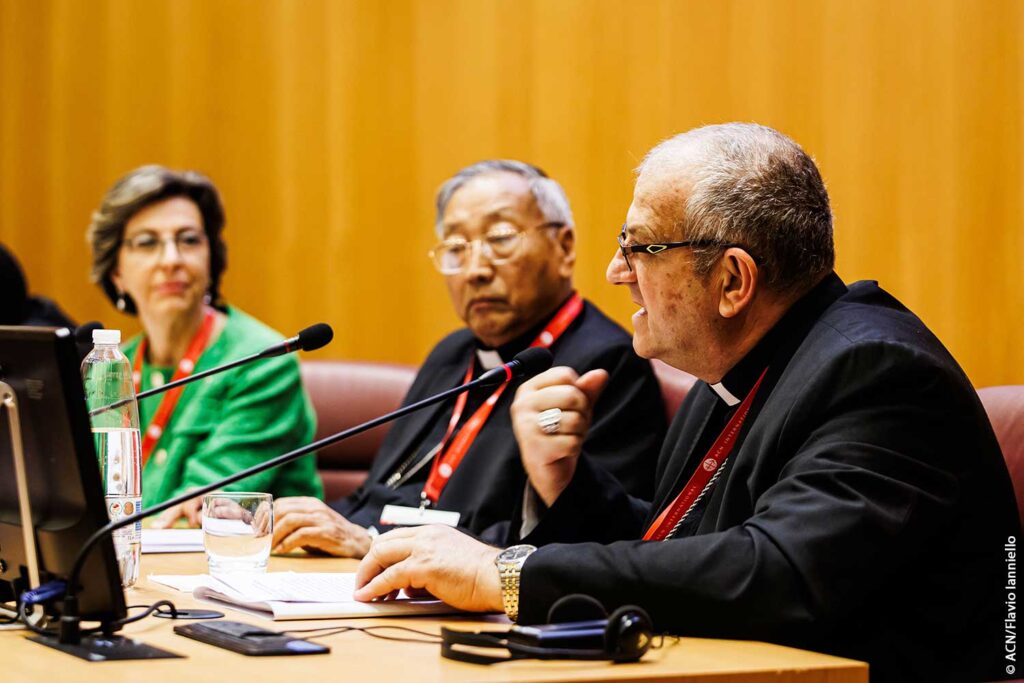
Syriac Catholic Archbishop Jacques Mourad of Homs, Hama and al-Nabek was recently in Rome as one of those to take part in the presentation of the Religious Freedom in the World Report 2005, organised by pontifical foundation Aid to the Church in Need (ACN). Archbishop Mourad, who was abducted by ISIS in 2015, gave an overview of the current situation in his country.
During his presentation, he warned that “the Church in Syria is dying”, due to the unbearable and unsustainable political and legal situation, with Christians leaving the country in search of better living conditions.
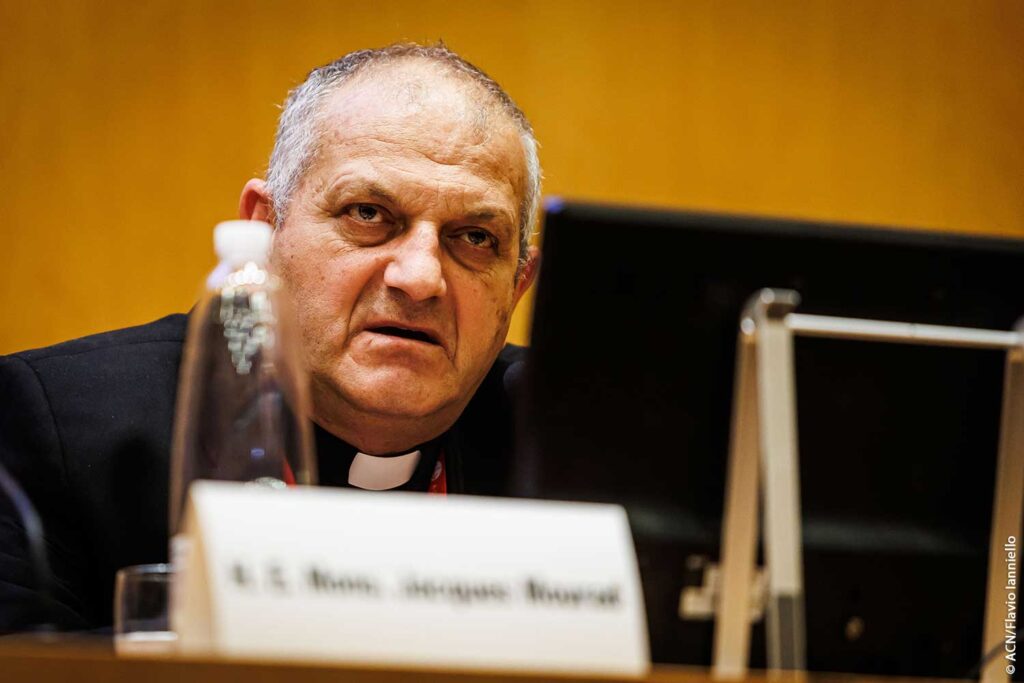
Archbishop Mourad, 57, is a member of a monastic community committed to promoting fraternity between Christians and Muslims, in a country where the former makes up 2.3% of the population and the later 95%. He avoided speaking about the trials he endured for years at the hands of the Islamic State, preferring to mention the Muslims who helped him to escape the militants who kidnapped him. In a soft voice, but with clear words, he expressed his hope that “raising our voices at this moment may be beneficial to our country”.
Around 2.1 million Christians lived in Syria in 2011, according to ACN estimates, whereas in 2024 the number was closer to 540,000. “None of the efforts by the Universal Church or the local Church managed to stem the tide of the exodus, because the causes are not related to the Church, but rather to the country’s disastrous political and economic situation. You can’t stop a wave of migration without first establishing a well-defined political government model in Syria and a solid security system,” the archbishop explained.
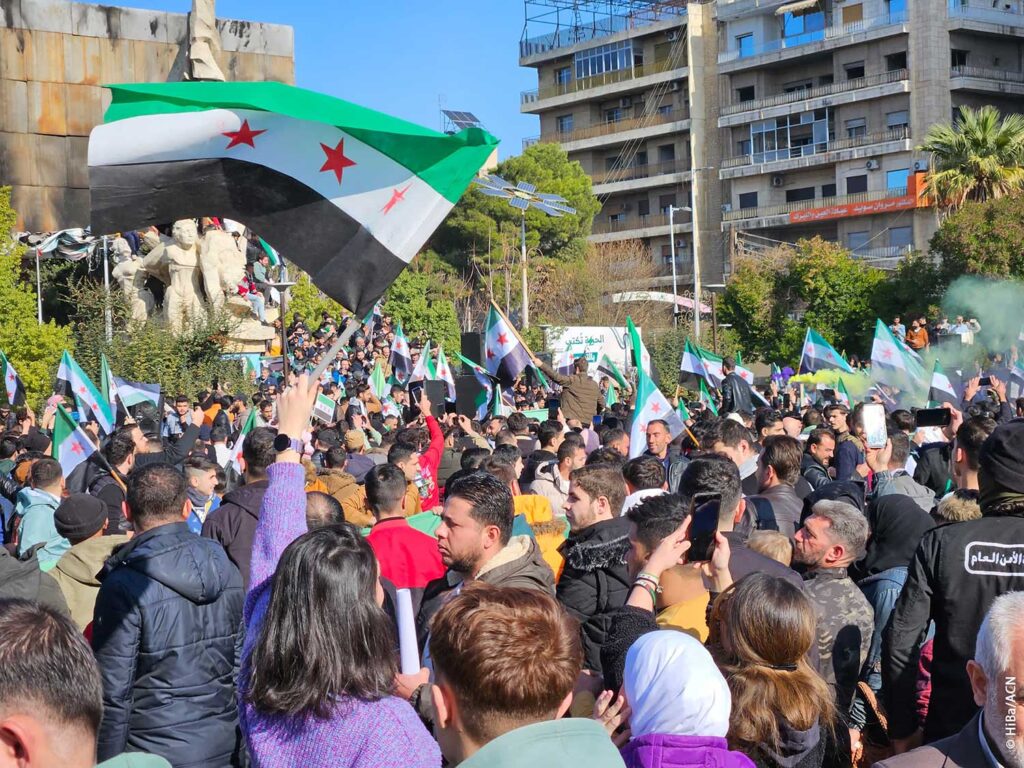
“The Syrian people continue to suffer violence, reprisals, and tragic and regrettable events that undermine all the international claims and popular demands to put an end to this bloodbath,” Archbishop Mourad said. “We are become more and more like Afghanistan. We don’t have that level of violence yet, but we’re not that far off either. People are under all sorts of pressure. Don’t think we are heading towards greater freedom, religious or otherwise,” he assured the audience.
Speaking in Rome, he issued an “appeal to all people of good will in the world, to take the necessary measures to put an end to the violence and find ways to end the past and present injustices”, explaining that “the lack of justice is a consequence of the past 60 years, which carved out a great division between the state and the people”.
“The people don’t trust the local government or the international community. We only trust in God,” he added.
Archbishop Mourad also expressed concern over a possible peace treaty with Israel that would cede the Golan Heights, which he considers would “deprive the inhabitants of Damascus of water sources and enslave them. Who would accept a treaty such as this? Where are the human rights values that should help ensure that decisions are fair for both parties?”
His proposal is that, on one hand, “the international community adopt a clear position regarding what is happening in Syria,” and on the other that “all local and international institutions and organisations that operate in Syria cooperate with cultural bodies, schools, universities and institutes to overcome the fear that has taken hold in society, and organise training courses on the role of legislation in the establishment of justice and the independence of the state’s judiciary”.
Locally, the Church in Aleppo is organising “forums to train people to carry out a political role, when the opportunity presents itself, and therefore to contribute to and ensure a transition from an authoritarian and unipolar regime to a democracy”. The archbishop stressed that the Church reserves the right to do so “in a country so rich in history, civilisation and human values”, but recognised that Catholics currently “feel like foreigners in our own country, which is intolerable”.
“We are grateful to you, dear friends and benefactors at ACN, because you make it possible to relieve the suffering of needy and persecuted Christians in Syria and all over the world. May the Lord bless your work, so that you can continue to fulfil your mission. We thank God for the existence of the Church, which stands as a reminder to every one of the ethics of justice and human dignity as a supreme value,” Archbishop Jacques Mourad concluded.